‘We’ve spent decades building houses to sell. It’s time we built them to live in.’
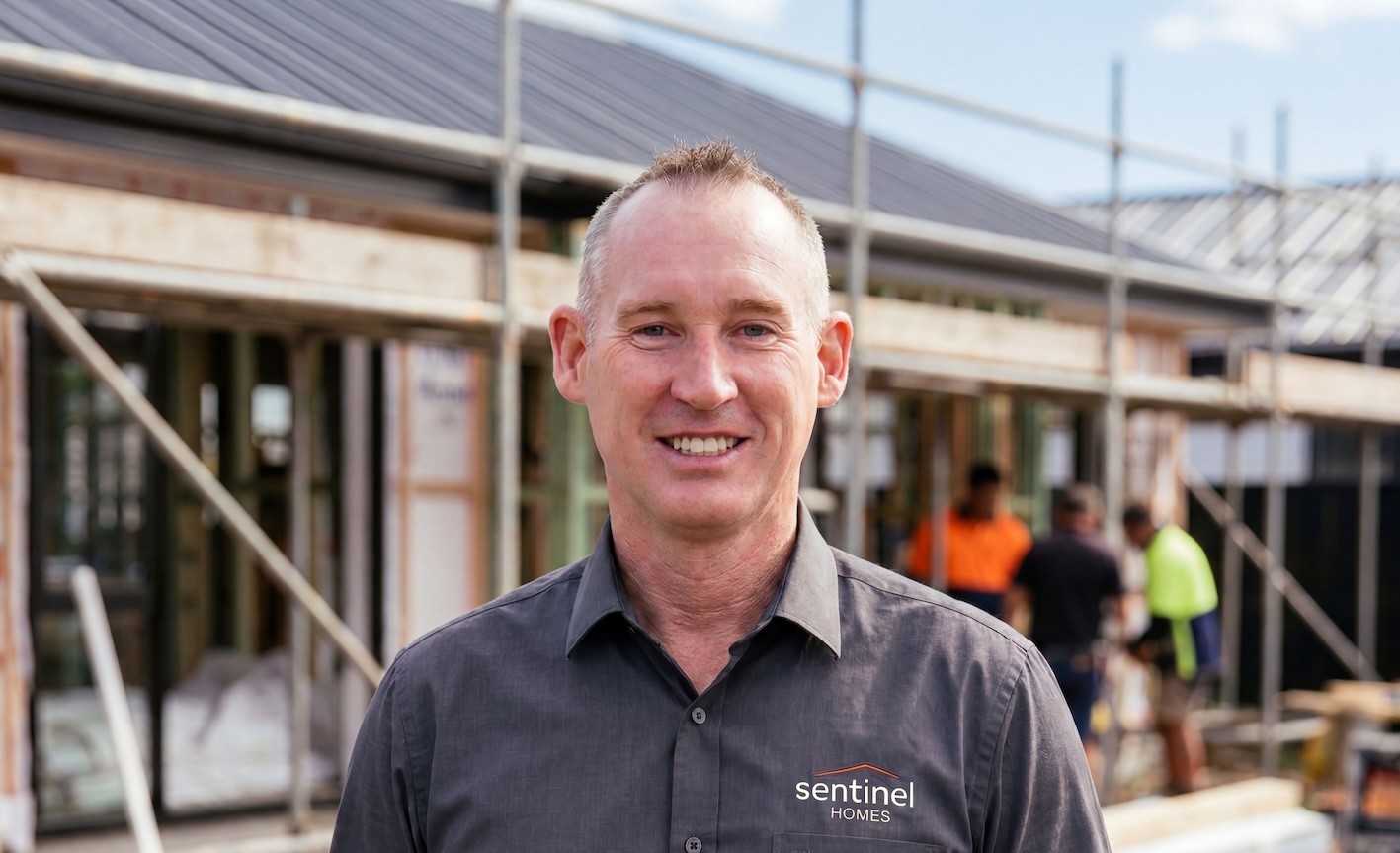
By Sentinel Homes founder Stuart Shutt
With an election around the corner, a lot of people are asking what the next government will do about our ageing population. Most of that conversation is about superannuation, hospitals and rest homes. Little of it is about the place where most older New Zealanders actually live, which is their own home.
More than 95% of New Zealanders over 65 live in private homes, not villages or care. Within a decade, we’re expected to become a “super-aged” society, with more than one in five people (around 1.2 million of us) aged 65 or over. If we want people to stay independent, healthy and connected for longer, the houses we build now matter as much as any policy.
I’ve been building homes for a long time, and I can tell you the way New Zealanders want to live is changing faster than most people realise. For most of my working life, the family home was two things at once — somewhere to live, and the best investment you’d ever make. You bought, you held on, and the market did the rest.
That second part isn’t a sure thing any more. Economists are talking about an era of lower growth in house prices, and outside a few hot spots, the big automatic gains have gone flat.
When a house is mainly an investment, you build for the next buyer. When the gains aren’t guaranteed, that logic falls over. If your house isn’t going to make you rich, it had better make your life easier. That’s exactly what people are starting to ask of it.
Right now, I see two groups shaping what gets built in this country. The first is people downsizing. They’re often in their 50s and 60s, the kids have left, and the house is too big, too old or too much work. They don’t want a smaller version of the same thing. They want something low-maintenance, warm, cheap to run and beautiful, and they want a home they can age in.
A recent report, For the Long Run, surveyed nearly 30,000 New Zealanders aged 65 and over, and found the vast majority are working, caring for, or supporting other people. These people have a lot of living left to do, and they need homes that keep up with them.
The second group is the one that surprises people — multigenerational families. In much of the world, several generations living under one roof is completely normal. It’s becoming normal here too.
Part of that is because so much of our population growth now comes from people moving to New Zealand, and many of them bring that way of living with them. Part of it is the cost of living. The idea that you leave home at 18 is fading fast. We’re seeing families who expect their kids to be living with them until they’re closer to 30, and they’re designing their homes around that.
Some of the arrangements are clever. A family might build a smaller, self-contained home on the section alongside the main house. A newly married couple starts out in it. When they have children, they swap into the big house and the parents move into the smaller one.Later, it might become home for an elderly parent. One property can work for three generations over 30 years.
I know this from personal experience. When we built our own home, one of the first things we built was a self-contained unit under the same roof, with its own entrance. Our daughter has a disability, and it was originally designed so a carer could live there and support her as she got older. Over time, it could become her own space.
Downstairs, we put in large cavity sliders. When they’re open, you don’t even know they’re there and it’s one big living area. When someone wants privacy, you slide them shut and it’s a separate room.
What I’ve learned is that a well-designed home pulls a family together rather than pushing it apart. Everyone has their own space when they need it, and you’re all together when you don’t.
None of this is fancy, but none of it happens by accident either. Homes on one level, or with a bedroom and bathroom downstairs, wider hallways and doorways, self-contained spaces that can change use over time, and homes that are warm and cheap to heat are all much easier and cheaper to design in at the start than to add later.
So here’s what I’d say to anyone thinking about building. Stop asking what the house will be worth when you sell it. Ask who might be living in it in 10 or 20 years — your kids, your parents, a carer, or just you, a little older and slower on the stairs. Then design for that.
The same goes for those of us in the industry, and for the councils and planners who decide what gets built where. Whoever wins the election will inherit an ageing population and a changing one. Part of the answer is sitting on every section in the country.
We’ve spent decades building houses to sell. It’s time we built them to live in, for the families New Zealand actually has.